


Comprehensive Gynecological Health Guide
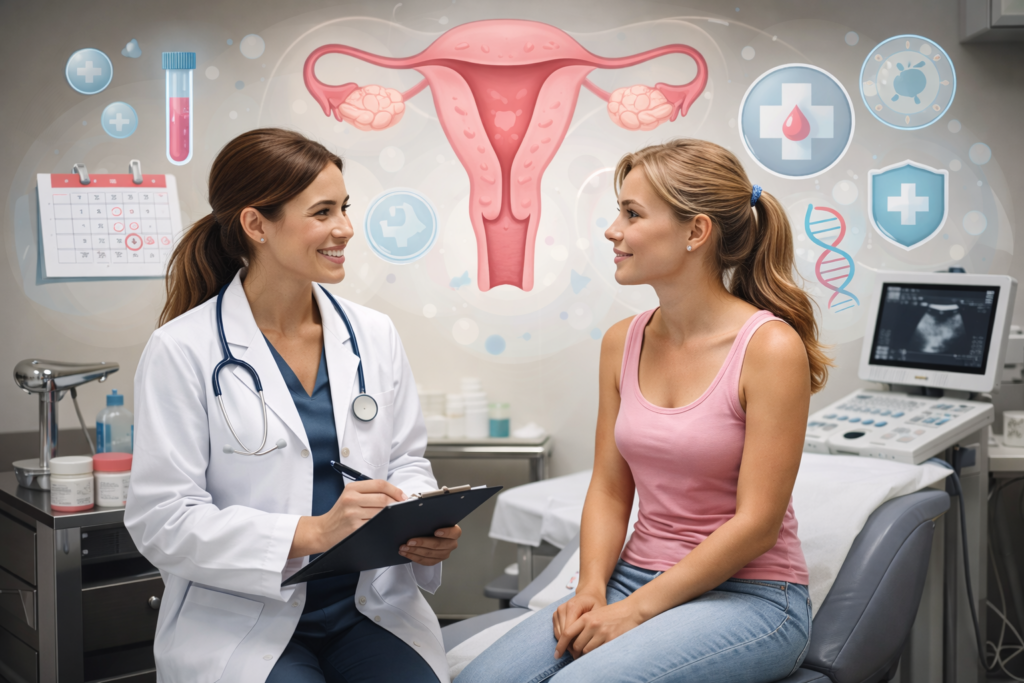
Definition and Importance of Gynecological Health
Gynecological health refers to the comprehensive care and understanding of the female reproductive system throughout all stages of life, from adolescence to postmenopause. It encompasses the normal function, prevention, diagnosis, and management of conditions affecting organs such as the uterus, ovaries, fallopian tubes, cervix, and vagina, as well as the hormonal systems that regulate them. Maintaining strong gynecological health is not only essential for reproductive capability, but also plays a critical role in overall physical, emotional, and psychological well-being. Women who prioritize regular gynecological care often experience improved quality of life, early disease detection, and better long-term health outcomes.
The female reproductive system is highly dynamic and sensitive to both internal and external influences. Hormonal fluctuations, genetic predisposition, lifestyle choices, stress levels, nutrition, and environmental factors all interact to influence gynecological wellness. Because of this complexity, even subtle changes in menstrual patterns, pelvic comfort, or vaginal health can be early indicators of underlying conditions. Understanding these signals empowers women to seek timely medical attention rather than dismissing symptoms as “normal.” A proactive approach to gynecological care is therefore a powerful tool for disease prevention and health preservation.
Why Gynecological Health Is a Lifelong Priority
Gynecological health is not limited to pregnancy planning or fertility concerns. It evolves continuously across a woman’s lifespan and requires tailored care at every stage. During adolescence, the focus is often on menstrual regulation, hormonal balance, and education about reproductive anatomy. In reproductive years, attention shifts toward contraception, sexual health, fertility, and prevention of gynecological infections. Later in life, menopause introduces new challenges such as hormonal decline, vaginal atrophy, and increased risk of certain cancers. Each phase demands specialized medical knowledge and individualized care strategies.
Ignoring routine gynecological evaluations can lead to delayed diagnoses of conditions that are otherwise highly manageable in their early stages. Disorders such as uterine fibroids, ovarian cysts, endometriosis, or cervical abnormalities may initially present with mild or nonspecific symptoms. Without regular screening, these issues can progress silently, eventually causing chronic pain, fertility complications, or systemic health effects. Regular consultations with a qualified gynecologist ensure that potential problems are identified early, when treatment options are most effective and minimally invasive.
The Role of Preventive Gynecology
Preventive gynecology forms the foundation of long-term reproductive wellness. Routine examinations, Pap smears, HPV testing, pelvic ultrasounds, and breast evaluations are designed to detect abnormalities before they develop into serious conditions. These preventive measures significantly reduce the incidence and mortality rates associated with gynecological cancers. According to international health authorities such as the :contentReference[oaicite:0]{index=0}, early detection and screening programs remain among the most effective strategies for protecting women’s health worldwide.
In addition to clinical screenings, preventive gynecology includes education about safe sexual practices, menstrual hygiene, hormonal changes, and lifestyle factors that influence reproductive health. Balanced nutrition, physical activity, stress management, and avoidance of harmful habits such as smoking all contribute to hormonal stability and immune resilience. When combined with professional medical oversight, these habits create a strong defense against many common gynecological disorders.
Gynecological Health and Overall Well-Being
The connection between gynecological health and overall well-being is profound and often underestimated. Hormonal imbalances can affect mood, energy levels, sleep quality, and metabolic function. Chronic gynecological pain may lead to anxiety, depression, or decreased productivity. Conversely, addressing reproductive health concerns frequently results in improved mental clarity, emotional stability, and physical vitality. Gynecological care should therefore be viewed not as an isolated specialty, but as an integral component of holistic healthcare.
Modern gynecology emphasizes patient-centered care, focusing on open communication, informed decision-making, and individualized treatment plans. Professional organizations such as the :contentReference[oaicite:1]{index=1} highlight the importance of personalized care that respects each woman’s unique medical history, lifestyle, and health goals. This approach fosters trust between patients and physicians, encouraging long-term engagement in preventive care.
Women seeking comprehensive gynecological support should consider scheduling regular consultations with experienced specialists who can provide both preventive care and advanced diagnostics. Clinics that offer integrated services, including consultations, imaging, and laboratory testing, allow for seamless continuity of care. For patients in Batumi, access to specialized gynecological services through platforms such as online appointment booking ensures timely and professional medical support tailored to individual needs.
In summary, gynecological health is a cornerstone of women’s overall wellness and longevity. By understanding its importance, embracing preventive strategies, and maintaining regular medical follow-ups, women can significantly reduce health risks and enhance their quality of life. This comprehensive guide will further explore common gynecological conditions, symptoms, diagnostic methods, and treatment options in the following sections, providing a clear and empowering roadmap to informed reproductive health care.
Common Gynecological Conditions and Disorders
Understanding common gynecological conditions is a critical step toward early detection, effective treatment, and long-term reproductive wellness. Many disorders affecting the female reproductive system develop gradually and may initially present with mild or nonspecific symptoms. Because these conditions often overlap in their clinical presentation, professional evaluation plays a decisive role in accurate diagnosis. Comprehensive gynecological care focuses on identifying these disorders early, minimizing complications, and preserving both reproductive and overall health.
Gynecological disorders vary widely in severity, etiology, and impact on daily life. Some conditions are hormone-driven, while others result from infections, genetic predisposition, immune dysfunction, or structural abnormalities. Lifestyle factors such as chronic stress, obesity, smoking, and delayed childbirth may further increase risk. Awareness of these conditions empowers women to recognize warning signs and seek timely medical support rather than normalizing persistent discomfort or irregularities.
Menstrual and Hormonal Disorders
Menstrual irregularities are among the most frequently reported gynecological concerns. Conditions such as dysmenorrhea (painful menstruation), menorrhagia (heavy menstrual bleeding), oligomenorrhea (infrequent periods), and amenorrhea (absence of menstruation) often indicate underlying hormonal imbalance or structural pathology. Polycystic ovary syndrome (PCOS) is a particularly prevalent endocrine disorder characterized by irregular cycles, elevated androgen levels, and ovarian cyst formation. Left unmanaged, PCOS may increase the risk of infertility, metabolic syndrome, and cardiovascular disease.
Hormonal disorders can also influence mood stability, weight regulation, skin health, and energy levels. Thyroid dysfunction, hyperprolactinemia, and estrogen dominance are frequently associated with gynecological symptoms. Accurate diagnosis typically requires a combination of clinical evaluation, hormonal blood tests, and imaging studies. Early intervention allows for personalized treatment strategies that restore hormonal balance and significantly improve quality of life.
Structural Conditions of the Reproductive Organs
Structural gynecological conditions affect the physical anatomy of reproductive organs and may interfere with normal function. Uterine fibroids, benign tumors arising from the uterine muscle, are common among women of reproductive age and may cause heavy bleeding, pelvic pressure, and fertility challenges. Ovarian cysts, which can be functional or pathological, often develop silently and are discovered incidentally during routine imaging. While many cysts resolve spontaneously, some require monitoring or surgical intervention.
Endometriosis represents a more complex condition in which endometrial-like tissue grows outside the uterus, leading to chronic pelvic pain, painful menstruation, and infertility in some cases. The condition is frequently underdiagnosed due to symptom variability and delayed clinical recognition. Timely gynecological assessment and imaging play a crucial role in preventing disease progression and reducing long-term complications.
Gynecological Infections and Inflammatory Conditions
Infectious and inflammatory disorders remain a significant cause of gynecological morbidity worldwide. Vaginitis, cervicitis, and pelvic inflammatory disease (PID) often result from bacterial, viral, or fungal infections. Sexually transmitted infections can progress silently, causing damage to reproductive organs if left untreated. Chronic inflammation may lead to scarring, tubal obstruction, and increased risk of ectopic pregnancy.
Preventive strategies, including safe sexual practices, routine screening, and early antimicrobial treatment, are essential components of gynecological care. Educational initiatives supported by international medical guidelines emphasize that many infectious conditions are entirely preventable or easily treatable when identified early. Women experiencing abnormal discharge, pelvic discomfort, or postcoital bleeding should seek professional evaluation without delay.
Gynecological Cancers and Precancerous Conditions
Gynecological cancers, including cervical, ovarian, uterine, vulvar, and vaginal malignancies, represent some of the most serious threats to women’s health. Cervical cancer remains one of the most preventable forms of cancer due to effective screening methods such as Pap smears and HPV testing. Ovarian cancer, by contrast, often presents with vague symptoms and is frequently diagnosed at a later stage, underscoring the importance of regular gynecological evaluations.
Precancerous conditions may develop gradually and are often asymptomatic in early stages. Routine screening programs and patient education significantly improve early detection rates and survival outcomes. Women with a family history of gynecological malignancies or known genetic predispositions should receive individualized surveillance plans under specialist supervision. Detailed clinical guidelines on cancer prevention and screening are widely available through authoritative medical sources such as the National Cancer Institute.
For patients seeking expert evaluation and ongoing management of gynecological disorders, access to specialized care is essential. Comprehensive consultations with experienced gynecologists allow for accurate diagnosis, advanced imaging, and evidence-based treatment planning. Patients can explore professional gynecological services and schedule evaluations through dedicated gynecologist profiles, ensuring continuity of care and personalized medical support.
In conclusion, common gynecological conditions encompass a broad spectrum of disorders that may affect women at any stage of life. Awareness, preventive screening, and timely intervention are the most powerful tools for maintaining reproductive health. The next section will focus on recognizing symptoms, early warning signs, and practical prevention strategies that empower women to take control of their gynecological well-being.
Symptoms, Early Warning Signs, and Prevention Strategies
Recognizing symptoms early is one of the most decisive factors in protecting reproductive health and preventing complications. Many gynecological conditions begin with subtle changes that may be easy to overlook or dismiss as temporary stress, hormonal shifts, or “normal” discomfort. However, persistent patterns—especially when they interfere with daily activities, sleep, or emotional balance—should be treated as meaningful signals. A careful approach to symptom awareness helps women seek appropriate evaluation sooner, often leading to faster relief, less invasive treatment, and stronger long-term outcomes. In this section, the focus is on practical recognition of early warning signs and actionable prevention strategies rooted in modern medical guidance.
It is important to remember that symptoms alone cannot provide a definitive diagnosis because several disorders share similar presentations. Heavy bleeding, pelvic pressure, and fatigue, for example, might suggest fibroids, hormonal imbalance, thyroid dysfunction, or even anemia developing secondary to blood loss. Pelvic pain may be related to endometriosis, ovarian cysts, inflammatory infections, or non-gynecological issues such as gastrointestinal disorders. The goal is not self-diagnosis, but timely identification of abnormal changes that merit professional attention and appropriate testing.
Key Symptoms That Should Never Be Ignored
Some warning signs are particularly significant because they are associated with conditions that can worsen without treatment. Abnormal uterine bleeding is one of the most common reasons for gynecological visits, and it includes bleeding between periods, unusually heavy flow, bleeding after sex, or bleeding after menopause. While these symptoms can arise from benign causes, they may also indicate cervical changes, endometrial abnormalities, fibroids, or hormonal disruption. Persistent bleeding is especially concerning when it is accompanied by dizziness, weakness, or shortness of breath, as these can signal iron deficiency and systemic impact.
Pelvic pain is another essential symptom category. Pain may be cyclic and tied to menstruation, or it may be constant and progressive. Severe cramps that do not improve with standard pain relief, pain during sexual intercourse, and pain with bowel movements or urination can suggest inflammatory or structural causes. Women often normalize long-standing pelvic discomfort, especially if it has existed since adolescence, but chronic pain is not a “normal” baseline. Early evaluation is a powerful step that can prevent years of suffering, particularly in conditions such as endometriosis or pelvic inflammatory disease.
Vaginal Symptoms and Changes in Intimate Health
Changes in vaginal discharge, odor, itching, burning, and irritation are frequent concerns and should be assessed if they persist or recur. While many cases of vaginitis are treatable and not dangerous, recurrent episodes can signal underlying risk factors such as diabetes, immune weakness, hormonal changes, or disruption of the vaginal microbiome. Discharge that is greenish, frothy, or associated with pelvic pain may suggest infection requiring targeted treatment. Bleeding after sex, especially when persistent, should also be evaluated because it may reflect cervical inflammation, polyps, or abnormal cervical cell changes.
Urinary symptoms can overlap with gynecological conditions as well. Frequent urination, urgency, discomfort, or recurrent urinary tract infections may be influenced by pelvic anatomy, hormonal status, or vaginal atrophy in menopause. Some women experience bladder-related symptoms due to uterine fibroids pressing on nearby structures, while others may experience similar complaints due to pelvic floor dysfunction. Because symptom overlap is common, comprehensive clinical evaluation is the safest way to ensure correct diagnosis and avoid incomplete or ineffective treatment.
Early Prevention: Habits That Reduce Risk
Preventive strategies are most effective when they are consistent and individualized. A strong foundation includes routine gynecological screening, safe sexual practices, and awareness of cycle patterns. Regular Pap smears and HPV testing, when indicated, remain among the most effective approaches for early detection of cervical abnormalities. Vaccination against HPV is also a major preventive tool, especially when administered before exposure to the virus. Many national screening programs emphasize timely testing and follow-up because early abnormalities can be treated before they become serious disease.
Lifestyle plays a measurable role in gynecological wellness. Maintaining a stable weight supports hormonal balance and reduces risk associated with metabolic disturbances. Regular physical activity improves circulation, reduces inflammation, and supports pelvic floor strength. Balanced nutrition—especially adequate iron, vitamin D, omega-3 fats, and fiber—supports immune resilience and hormonal stability. Chronic stress, on the other hand, may disrupt cycle regularity and worsen symptoms of disorders such as PMS, PCOS, and endometriosis. Sleep quality and stress management should be viewed as protective health tools rather than optional luxuries.
When to Seek Medical Evaluation Without Delay
Some symptoms require urgent medical attention because delays can increase risk. Sudden, severe pelvic pain—especially if accompanied by nausea, vomiting, fainting, or shoulder pain—may indicate ovarian torsion, ruptured cyst, or ectopic pregnancy, all of which can be medical emergencies. Heavy bleeding with clots that rapidly soaks pads, fever with pelvic pain, or severe weakness should also prompt immediate evaluation. In these situations, seeking prompt care is not only wise but potentially life-saving.
Even when symptoms are not urgent, recurrent issues deserve a structured approach rather than repeated self-treatment. If a woman experiences ongoing cycle irregularity, repeated infections, persistent pain, or unexplained fatigue, it is a strong signal to pursue deeper evaluation with a specialist. Comprehensive Guide to Gynecological Health is most effective when it encourages women to act early, not to wait until symptoms become unbearable. Early care tends to be simpler, more successful, and far less emotionally exhausting than delayed intervention.
For patients who want professional support and preventive screening in Batumi, scheduling a consultation is a practical first step. You can arrange an evaluation and receive tailored advice through Concierge Medical Center’s appointment booking, where services can be coordinated based on symptoms, age, and medical history.
For additional evidence-based information on preventive screening and reproductive health recommendations, reputable clinical guidance is available through World Health Organization resources on sexual and reproductive health. Using trusted sources helps patients avoid misinformation and focus on strategies that are safe, medically sound, and truly beneficial.
In the next section, we will explore diagnostic approaches, screening tools, and modern evaluation methods used in gynecology. Understanding how clinicians assess symptoms—from history-taking and examinations to laboratory testing and imaging—helps patients feel more confident, prepared, and empowered during medical visits.
Diagnosis, Screening, and Modern Evaluation Methods
Accurate diagnosis is the cornerstone of effective gynecological care. Because many gynecological conditions share overlapping symptoms, a structured and methodical evaluation is essential to distinguish benign, functional changes from conditions requiring targeted treatment or long-term monitoring. Modern gynecology combines clinical expertise with advanced diagnostic tools, allowing clinicians to identify disorders at earlier stages and tailor care plans to each patient’s unique medical profile. Understanding how this diagnostic process works can significantly reduce anxiety and help patients participate more confidently in their own care.
The diagnostic journey typically begins with a detailed medical history. This includes menstrual patterns, reproductive history, contraceptive use, sexual health, prior surgeries, chronic illnesses, and family history of gynecological or hormonal disorders. Seemingly minor details—such as changes in cycle length, bleeding intensity, or pain timing—can provide critical clues. Open communication during this stage is essential, as incomplete information may delay accurate diagnosis or lead to unnecessary testing.
Clinical Examination and Initial Assessment
A comprehensive gynecological examination remains a fundamental component of diagnosis. This usually includes a general physical assessment, abdominal examination, and pelvic exam when appropriate. During the pelvic exam, the clinician evaluates the external genitalia, vagina, cervix, uterus, and ovaries for signs of tenderness, enlargement, masses, inflammation, or anatomical changes. While some patients feel apprehensive about pelvic examinations, they are typically brief, safe, and provide invaluable information when performed by experienced professionals.
In many cases, clinical findings help determine whether further testing is necessary. For example, uterine enlargement may suggest fibroids, cervical irregularities may prompt cytological testing, and localized tenderness may indicate infection or inflammatory disease. Importantly, normal examination findings do not exclude underlying conditions, which is why additional diagnostic tools are often employed to confirm or rule out suspected disorders.
Laboratory Testing in Gynecological Care
Laboratory tests play a crucial role in clarifying diagnoses and guiding treatment decisions. Hormonal blood tests can assess levels of estrogen, progesterone, luteinizing hormone, follicle-stimulating hormone, prolactin, and thyroid hormones. These tests are particularly valuable in evaluating menstrual irregularities, infertility, menopausal symptoms, and endocrine-related conditions such as polycystic ovary syndrome. Timing of hormone testing within the menstrual cycle is often important for accurate interpretation.
Infectious screening is another vital component of gynecological diagnostics. Tests for sexually transmitted infections, vaginal microbiota imbalances, and inflammatory markers help identify treatable causes of symptoms such as discharge, pelvic pain, or abnormal bleeding. Cytological screening, including Pap smears and HPV testing, is central to cervical cancer prevention. These tests detect precancerous changes long before symptoms appear, allowing for early intervention and excellent long-term outcomes.
Imaging and Advanced Diagnostic Techniques
Imaging technologies have transformed gynecological diagnostics by enabling noninvasive visualization of internal structures. Pelvic ultrasound is one of the most commonly used tools and can be performed transabdominally or transvaginally, depending on the clinical question. Ultrasound is highly effective for assessing uterine anatomy, ovarian morphology, endometrial thickness, and the presence of cysts, fibroids, or fluid collections. It is safe, widely available, and suitable for repeated use.
In more complex cases, additional imaging such as magnetic resonance imaging (MRI) may be recommended to provide detailed views of soft tissues, particularly when evaluating deep endometriosis or unclear pelvic masses. Diagnostic hysteroscopy allows direct visualization of the uterine cavity and is often used to investigate abnormal bleeding or suspected intrauterine pathology. Laparoscopy, though minimally invasive, remains the gold standard for diagnosing certain conditions, including endometriosis, when noninvasive methods are inconclusive.
Screening Programs and Evidence-Based Guidelines
Screening is a proactive approach designed to identify disease before symptoms develop. Organized screening programs for cervical cancer have dramatically reduced incidence and mortality worldwide. Evidence-based guidelines emphasize age-appropriate testing intervals, risk stratification, and follow-up protocols to ensure patient safety while avoiding unnecessary procedures. International health authorities such as the :contentReference[oaicite:0]{index=0} strongly support population-level screening as a cost-effective and life-saving strategy.
Risk-based screening is increasingly emphasized in modern gynecology. Women with family histories of gynecological cancers, genetic predispositions, or chronic inflammatory conditions may require personalized surveillance plans. Shared decision-making between clinician and patient is essential in determining appropriate screening strategies, balancing benefits, risks, and individual preferences.
For patients seeking comprehensive diagnostic evaluation in Batumi, access to integrated services simplifies the diagnostic process. Clinics that combine consultations, laboratory testing, and imaging under one system allow for faster results and coordinated care. You can learn more about specialist-led diagnostic services by visiting the gynecologist profile page, where patients can explore expertise and available diagnostic options.
For further reading on screening recommendations and diagnostic standards, reliable clinical guidance is available through professional women’s health resources, which summarize evidence-based practices used internationally. Using trusted medical sources ensures that patients receive accurate information aligned with current standards of care.
In the following and final section, we will discuss treatment approaches, long-term management, and guidance on when to see a gynecologist. Understanding available therapies and care pathways completes the foundation of a truly comprehensive approach to gynecological health.
Treatment Approaches, Ongoing Care, and When to See a Gynecologist
Effective treatment in gynecology is based on accurate diagnosis, symptom severity, reproductive goals, and overall health status. Modern gynecological care emphasizes individualized treatment plans rather than a one-size-fits-all approach. Many conditions can be successfully managed with conservative strategies, while others may require medical therapy, minimally invasive procedures, or surgical intervention. Understanding available treatment options helps patients make informed decisions and actively participate in their care journey.
Treatment plans are often dynamic and evolve over time. A strategy that is appropriate at one life stage may need adjustment as hormonal status, fertility goals, or general health changes. Ongoing follow-up and open communication with a gynecologist are therefore essential components of effective long-term management. The goal is not only symptom relief, but also prevention of complications and preservation of quality of life.
Medical and Conservative Treatment Options
Many gynecological conditions respond well to medical therapy. Hormonal treatments, including oral contraceptives, progesterone-based therapies, and hormone-modulating medications, are commonly used to regulate menstrual cycles, reduce pain, and manage conditions such as endometriosis or polycystic ovary syndrome. Non-hormonal medications may also play a role, particularly in pain management or treatment of infections and inflammatory disorders.
Lifestyle modification is often an essential adjunct to medical treatment. Weight management, nutritional support, stress reduction, and physical activity can significantly influence hormonal balance and symptom severity. For some patients, targeted pelvic floor physiotherapy improves pain, bladder symptoms, and sexual function. Conservative approaches are particularly valuable when symptoms are mild to moderate or when patients wish to delay or avoid invasive procedures.
Minimally Invasive and Surgical Interventions
When conservative measures are insufficient, minimally invasive procedures may be recommended. Advances in gynecological surgery have dramatically improved safety, recovery time, and outcomes. Laparoscopic techniques allow treatment of conditions such as fibroids, endometriosis, ovarian cysts, and ectopic pregnancy with smaller incisions and faster recovery. Hysteroscopic procedures enable targeted treatment of intrauterine pathology without abdominal surgery.
Surgical intervention is typically reserved for cases where symptoms significantly impair daily functioning, fertility is threatened, or malignancy is suspected. Decisions regarding surgery are made collaboratively, with careful consideration of benefits, risks, and future reproductive plans. Clear counseling and shared decision-making help patients feel supported and confident throughout the treatment process.
Long-Term Management and Follow-Up Care
Chronic gynecological conditions often require ongoing management rather than a single course of treatment. Regular follow-up appointments allow clinicians to monitor response, adjust therapy, and address new concerns as they arise. Long-term care is especially important in conditions such as endometriosis, hormonal disorders, and postmenopausal changes, where symptom patterns may fluctuate over time.
Patient education is a powerful component of long-term care. Understanding how symptoms relate to hormonal cycles, stress levels, and lifestyle factors empowers women to recognize early changes and seek timely adjustments to their treatment plan. Clinics that emphasize continuity of care and patient education tend to achieve better outcomes and higher patient satisfaction.
When to See a Gynecologist
Regular gynecological visits are recommended even in the absence of symptoms, as many conditions develop silently. Women should consider routine checkups according to age and individual risk factors. However, certain situations warrant prompt evaluation. These include abnormal bleeding, persistent pelvic pain, pain during intercourse, unexplained changes in menstrual patterns, recurrent infections, or any new symptoms after menopause.
Immediate medical attention is necessary for sudden severe pelvic pain, heavy uncontrolled bleeding, fever with pelvic discomfort, or symptoms suggestive of pregnancy complications. Seeking care early often prevents escalation and reduces the need for more aggressive intervention. A proactive mindset toward gynecological health is one of the most effective ways to protect long-term well-being.
Women seeking comprehensive and patient-centered gynecological care in Batumi can access specialist services through experienced gynecologists who provide individualized evaluation, diagnosis, and treatment planning. Appointments can be conveniently arranged via online booking, ensuring timely access to professional support.
For additional guidance on evidence-based treatment standards and women’s health recommendations, trusted international resources such as the :contentReference[oaicite:0]{index=0} provide up-to-date clinical information that supports safe and effective care worldwide.
In conclusion, comprehensive gynecological care integrates prevention, early detection, accurate diagnosis, and personalized treatment. By engaging in regular follow-up, staying informed, and seeking professional guidance when needed, women can protect their reproductive health and enhance their overall quality of life. This Comprehensive Guide to Gynecological Health is designed to serve as a reliable foundation for informed decision-making and long-term wellness.