




Laser hair removal preparation starts with two dates: when you last waxed or plucked the treatment area and when your skin last tanned or burned in the sun.
This guide follows a first appointment from the decision to book through the days afterwards. If you already have a date, go straight to the preparation checklist. If you are deciding whether to start a course while visiting Batumi, the sections on results and travel will help you plan around your stay.
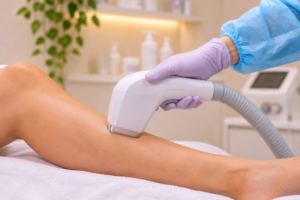
What does laser hair removal do?
A hair follicle is the small structure below the surface of your skin where a hair grows. During laser hair removal, pigment in the hair absorbs light from the laser. The resulting heat can damage the follicle and slow future growth. Shaving beforehand leaves hair beneath the surface available for the laser to target. Waxing or tweezing pulls the hair out, which is why the preparation instructions for these methods differ.
The result people generally seek is less hair growing back over time. That might mean needing to shave your legs less often or having fewer coarse hairs along the jawline. Hair grows in cycles, and neighbouring hairs can be at different stages on the same day. One session therefore tells you little about the final result. A course gives the practitioner opportunities to treat different hairs as they enter an active growth phase. Read how hair reduction lasers work at Leeds Teaching Hospitals.
What result would make treatment worthwhile for you?
Before the consultation, think about the problem you would most like to solve. For example, you may want to spend less time shaving before work, reduce the amount of visible hair on a particular area, or keep a beard while changing its outline. Tell the practitioner which of these matters to you. If you want a defined border, point it out together in a mirror before treatment starts. Take time to agree on areas you want to keep, particularly near facial hair or a hairline.
Ask the practitioner to look at the hair in the area you actually want treated. Coarse dark hair on the lower legs and fine pale hair on the upper arms can respond differently, even on the same person. White or grey hair has little pigment for a laser to target. If your hair is a mixture of colours, ask which hairs are likely to remain visible. Skin tone also influences the choice of equipment and settings. It is reasonable to ask about experience treating skin and hair similar to yours. Cleveland Clinic explains who may benefit and what results to expect.
How to prepare for laser hair removal
In the weeks beforehand: check your hair removal routine
Tell the clinic how you usually remove hair and when you last did so. Waxing, sugaring, threading, tweezing and an electric epilator all pull hairs from the follicle. If you use one of these methods, contact the clinic several weeks before your preferred date. The interval recommended can vary by service and treatment plan. If you waxed yesterday, give the actual date when you enquire. Waiting for advice can spare you a journey to an appointment that needs to be moved.
It helps to describe each area separately. You may shave your calves every few days, wax your thighs once a month and occasionally tweeze stray hairs around your knees. Saying you normally shave your legs would leave out information that matters for the appointment. If you bleach facial hair or use a depilatory cream, mention the product and when you applied it. Ask what you can use between sessions and write down the instructions for each area. See the Leeds Teaching Hospitals patient leaflet on preparation.
Plan around sun exposure, including days at the beach
A recent tan or sunburn can change whether your skin is ready for treatment. The practitioner needs to know what has happened to the specific area you want treated. For example, if you wore a sleeveless top on a long walk, your upper arms and covered underarms may have had very different exposure. Mention sunbeds and self-tanning products as well. If you have a clear tan line, tell the clinic before your visit so someone can advise whether you should keep the appointment.
While preparing, protect exposed skin outdoors with shade, clothing and broad-spectrum, water-resistant sunscreen rated SPF 30 or higher. On a beach holiday, think about both sides of the appointment: what exposure you have already had, and how easily you can cover the area afterwards. If you want treatment on your lower legs and plan to spend the following days sunbathing, give the clinic those dates before choosing a session. Read the American Academy of Dermatology’s preparation guidance.
Before you shave: confirm what the first visit includes
Ask whether you are booking a consultation, a small test area or a treatment session. For a treatment appointment, patients are often asked to shave the area the day before. For an initial assessment, the practitioner may want to inspect some visible hair first. If you usually shave in the morning and your appointment is in the evening, ask which day to shave. Asking this small question in advance is easier than trying to correct the timing on arrival.
If shaving gives you razor burn, tell the clinic before preparing a large area. If the skin is already cut, sore or inflamed, describe what you see and where it is. For a hard-to-reach area such as the back, ask what preparation you can reasonably do at home. You can also ask the practitioner to clarify the boundaries of a named area. For example, when discussing lower legs, check whether your appointment includes the knees and the tops of the feet.
What to tell the practitioner before treatment
Bring a list of your medicines, including prescriptions, over-the-counter products and creams used on the treatment area. A photo of the label is useful if you know a brand name in one language and your appointment will be in another. Mention current or previous isotretinoin use, any history of raised scars called keloids, and recurrent cold sores if you are considering facial treatment. The clinician can then decide which details affect your treatment plan. Keep taking prescribed medicines unless your prescriber advises a change.
Describe previous reactions in concrete terms. For instance, “My skin developed a blister the evening after my last session” tells the practitioner more than “My skin is sensitive.” Say which area was treated, how soon the reaction appeared and how long it lasted. If this happened at another clinic and you have a record of the treatment or a photo you are comfortable sharing, ask whether bringing it would help. Also point out any tattoos in or beside the proposed treatment area so their location is clear before anyone starts.
If the reason you are seeking hair removal is a new change in your hair growth, mention that at booking. You may have two separate questions: whether laser can reduce the visible hair and whether the change itself needs medical assessment. The reception team can help you arrange the appropriate appointment. You can find information about the clinic’s skin specialist on our dermatology service page.
What to do on the day of your first session
Follow the instructions you received about clean skin. Depending on the area, products to remove can include foundation on the upper lip, deodorant under the arms or body lotion on the legs. If you need sun protection to travel to the clinic, ask where and when to remove sunscreen from the treatment area. Allow yourself time to get ready before the appointment. Mention anything you applied that morning, especially if your usual routine includes a medicated cream.
Choose clothing with the journey home in mind. If a waistband or a tight seam normally rubs the area being treated, take a looser option. For a facial appointment, ask about returning to makeup if you have an event later that day. If you need privacy to change, a particular language for the discussion or time to ask questions before treatment, mention this when arranging your visit. These conversations are easier to have before you are in the treatment room.
What happens during the appointment?
At the start, confirm the area, your goal and anything that has changed since booking. This is a good time to ask how the practitioner selects settings for your skin, whether a test spot is appropriate and how you will know when to return. A test spot involves treating a small area and observing the skin’s response. If one is recommended, ask when it will be checked and whether your next appointment is for assessment or a larger treatment.
During treatment, everyone in the room should use protective eyewear appropriate for the laser. The practitioner works across the agreed area with a handheld device. You might feel short bursts of warmth or a brief snapping sensation. Tell the practitioner straight away if the sensation becomes painful or unexpectedly intense. If you would like a pause, say so. The size of the area influences the length of the session, so ask reception how much time to allow if you are planning around work or travel. The American Academy of Dermatology describes the treatment experience and possible side effects.
Aftercare: the first hours and days
Before you leave, ask what changes are expected for your skin and how long the practitioner expects them to last. Some people notice warmth, redness or small areas of swelling around treated hairs. A cool compress can ease mild discomfort. Follow your individual aftercare instructions about washing, applying products and returning to exercise. If your routine includes swimming, a sauna or a hot bath, ask about that activity specifically so you know when to resume it.
Be gentle when dressing or drying the area. Avoid scratching or rubbing sensitive skin, and protect it from direct sun. If you are having your face treated, ask when you can restart each of the skincare products you normally use. A moisturiser, an exfoliating product and prescription acne treatment serve different purposes, so a single instruction about “skincare” may leave a question unanswered. A short written list makes it easier to follow the advice once you get home.
Contact the clinic promptly if you develop blisters, increasing pain, spreading redness or discharge. Ask for medical assessment if a reaction is getting worse or you feel unwell. When you call, give the time of the treatment, when the change began, whether it is spreading and what you have applied. If you are travelling and cannot reach the treating clinic, seek local medical advice. Read the Leeds Teaching Hospitals guidance on caring for treated skin.
When will you know how well it worked?
Treated hairs can shed over the days or weeks after a session. Seeing hair shortly after treatment can therefore be confusing. Ask what shedding typically looks like for your treatment area, and avoid picking at hairs to test the result. Over a course, look for changes that matter in daily life: whether you can go longer between shaves, whether the returning hairs are finer and whether some patches respond differently from others. Mayo Clinic explains shedding, regrowth and the possible need for maintenance.
If you want to keep a record, choose one simple measure. You might note how many days pass before you feel the need to shave again. If you prefer photos, use the same lighting and compare the area at roughly the same interval after shaving. A photograph taken just after a shave and one taken ten days later can give a misleading impression. Share your observations at the next visit so the practitioner can discuss progress in the context of your original goal.
Planning a first session while visiting Batumi
If you are in Batumi for a short stay, tell the clinic when you arrive, when you leave and whether you expect to return. A consultation can give you useful information even if the timing of a treatment course does not fit this trip. Ask what can realistically be assessed during your stay, what aftercare you would need while travelling and whom to contact if a skin reaction develops after you leave Georgia. Save the clinic’s contact details before travelling home.
For example, imagine you arrive on Saturday, plan outdoor excursions until Wednesday and fly home on Friday. Tell reception about the excursions when asking for an appointment. The practitioner can discuss whether your intended treatment area will be exposed and whether a later date makes more sense. Similarly, if you already started a course in another city, bring the dates and treatment areas from those sessions. This gives your new practitioner a starting point for discussing continuity of care.
Questions you may still have before booking
What if I want to treat more than one area?
List the areas in order of importance when you enquire. For each one, note your usual hair removal method, any recent sun exposure and the result you hope to see. You may be ready to discuss underarm treatment while still waiting for waxed leg hair to return. Ask whether the areas can be assessed together, how much appointment time to reserve and whether their aftercare instructions differ. This is particularly helpful if work clothing covers one area but leaves another exposed.
Can I have a session just before a wedding or another event?
Give the practitioner the event date and say whether the treated area will be visible or covered. Your first session gives you limited experience of how your own skin will look the next day. A brief appointment can still leave visible redness, and shedding takes time. If you need to wear makeup, travel, spend time outdoors or wear clothing that rubs the area, mention those plans. Ask for a date that gives you room to follow the aftercare comfortably.
How do I explain a previous course if I have changed clinics?
Start with what you remember: the area, the approximate dates, how your skin felt afterwards and which hairs grew back. If you have the device name or a treatment summary, bring it with you. If you do not know the settings, leave that detail open. A useful description might be, “I had my last lower-leg session in May. I now shave less often, but I still notice a patch around each knee.” That gives the practitioner a specific change to look at and a specific concern to discuss.
Can I ask questions before committing to a course?
Yes. Write down what you would need to know to make a decision. If your main concern is comfort, ask what you might feel on your chosen area and how you can signal for a pause. If your concern is time, ask how long to allow for the whole visit, including assessment and preparation. If the likely result is unclear, ask what improvement would be realistic for your particular hair colour. You can take those answers home and decide whether the plan fits your goals.
What should I ask before I leave the clinic?
Ask the practitioner to write down three things specific to your session: the area treated, what to do at home that evening and when to get in touch again. If you plan to continue, ask how the next date will be chosen and what changes you should report beforehand. Make sure you know whom to call with a treatment question as well as how to change an appointment. This is especially helpful if you booked on someone else’s phone or will be away when the clinic follows up.
Arrange your first visit in Batumi
At Concierge Medical Center, specialist Nini Makharadze offers diode laser hair removal for women and men at 96 Zurab Gorgiladze Street, Batumi. In your booking request, name the area you would like assessed and say whether this is your first session. If timing is important, include your preferred dates and the best way for reception to reach you. For directions or a question before you book, contact the clinic veya arayın +995 593 501 444.